

Custom Engagement Rings: How to Design Yours
Share
Designing a ring from scratch gives a level of control that ready-made pieces rarely match. The shape, metal, stone, and setting can all be chosen with a specific person in mind, which is why custom engagement rings often feel more meaningful. That flexibility also helps balance style with real-life wear, whether the ring needs to suit an active job, a minimalist wardrobe, or a love of vintage details. A thoughtful plan makes the process easier and the result far more personal.
Why Choose a Custom Engagement Ring?
A custom design feels personal because it starts with a story instead of a display case. Rather than settling for a ring that is close enough, the design can reflect everyday habits, aesthetic preferences, and long-term comfort. That matters for someone who wants a low-profile setting, a bolder centre stone, or a certain metal tone. The emotional payoff is part of the appeal too: creating something one-of-a-kind makes the ring feel tied to a specific moment, not just a trend.
Define Your Style Direction
The clearest custom projects begin with a simple style label: classic, modern, vintage, or minimalist. Each direction narrows the choices fast. A classic ring might lean toward a round stone and clean solitaire, while a vintage-inspired design may use milgrain or a halo. Inspiration can come from heirloom pieces, saved social media posts, or rings already in a jewellery box. The key is to spot patterns early, including whether you are drawn to a delicate band, a statement centre stone, or a more understated profile. That prevents expensive revisions later and keeps the final design aligned with the original vision.
Choose the Center Stone
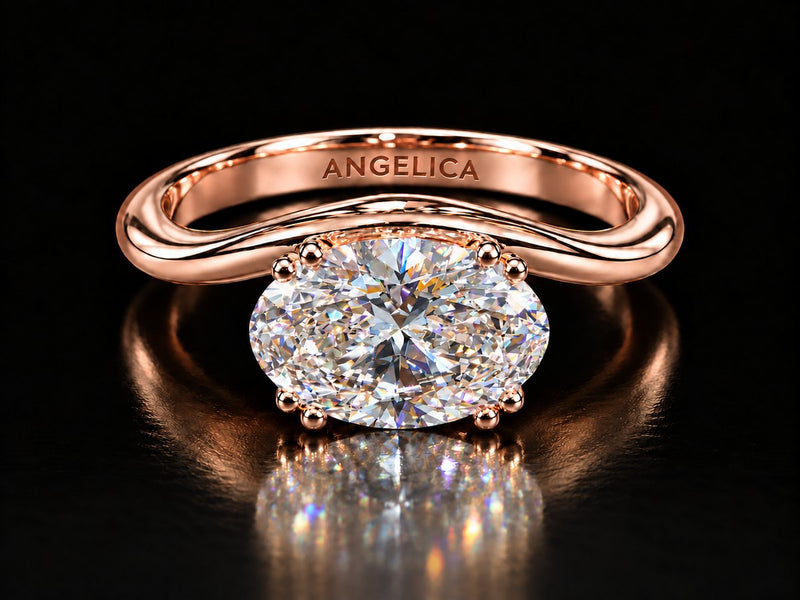
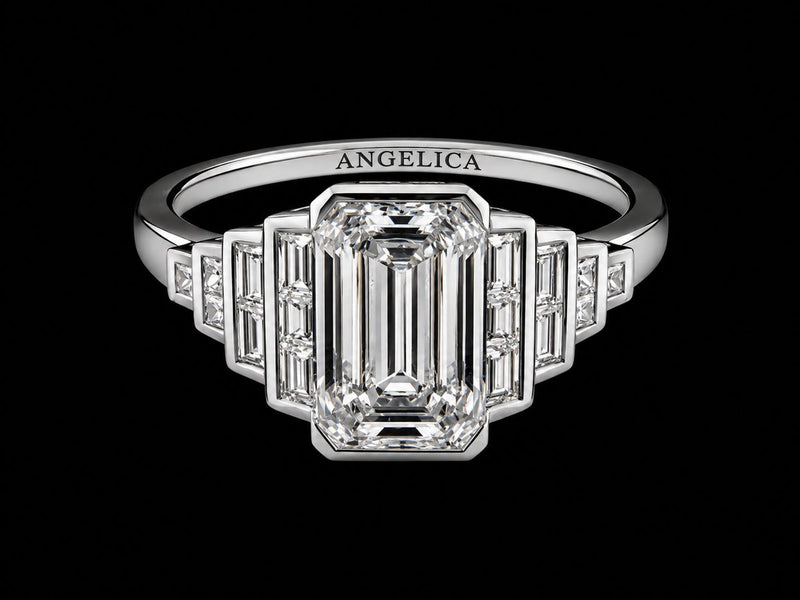
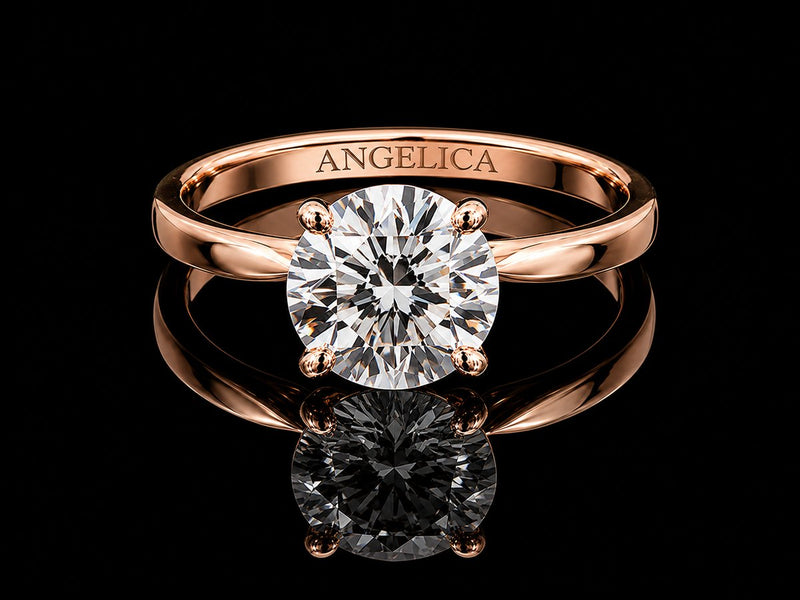
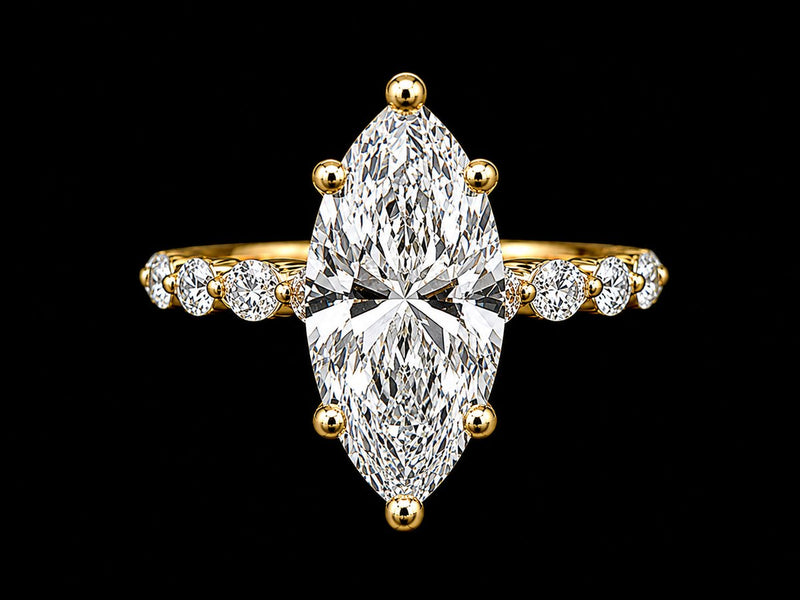
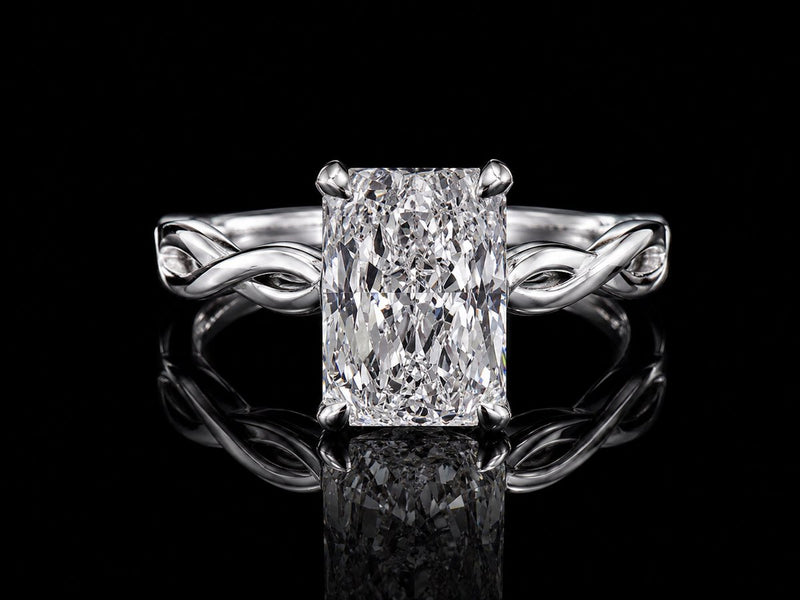
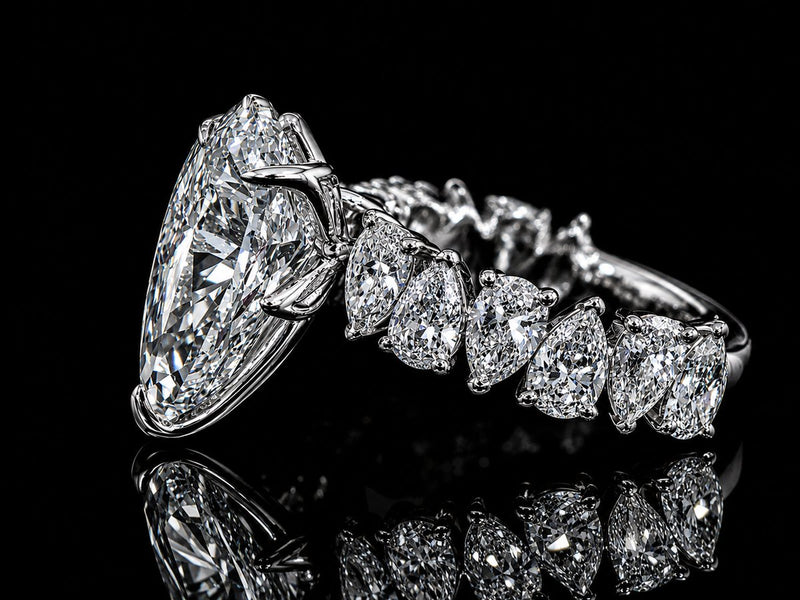
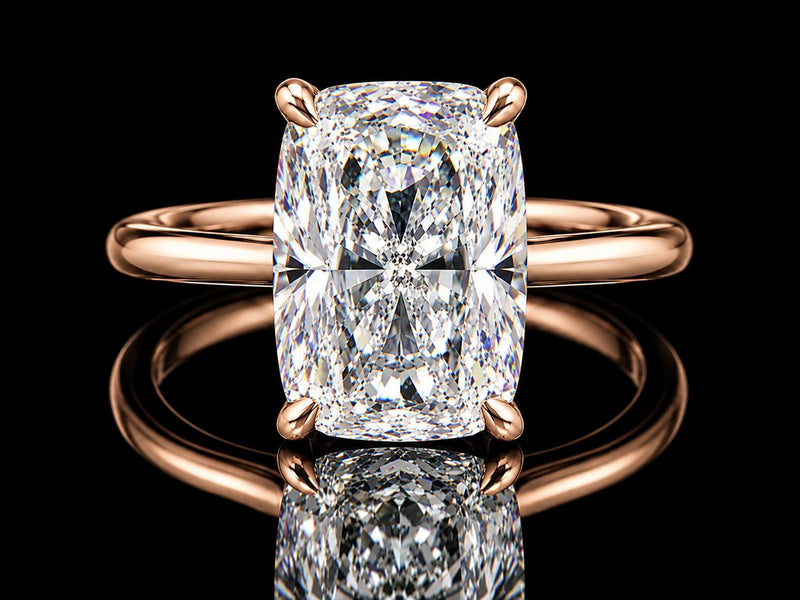
The centre stone sets both the look and the budget, so this decision deserves careful comparison. Many buyers choose a diamond for its durability and sparkle, while others prefer alternative gemstones for colour or symbolism. Shape changes the entire feel of the ring: round cuts maximise brilliance, oval shapes look elongated, and emerald cuts feel more architectural. Cut quality, clarity, colour, and carat all affect appearance and price, but balance matters more than chasing perfection. A slightly different grade can free up budget for a better setting or larger size, and buyers who want a more specific look can also compare natural diamonds and lab diamonds before deciding.
Select the Right Setting Style
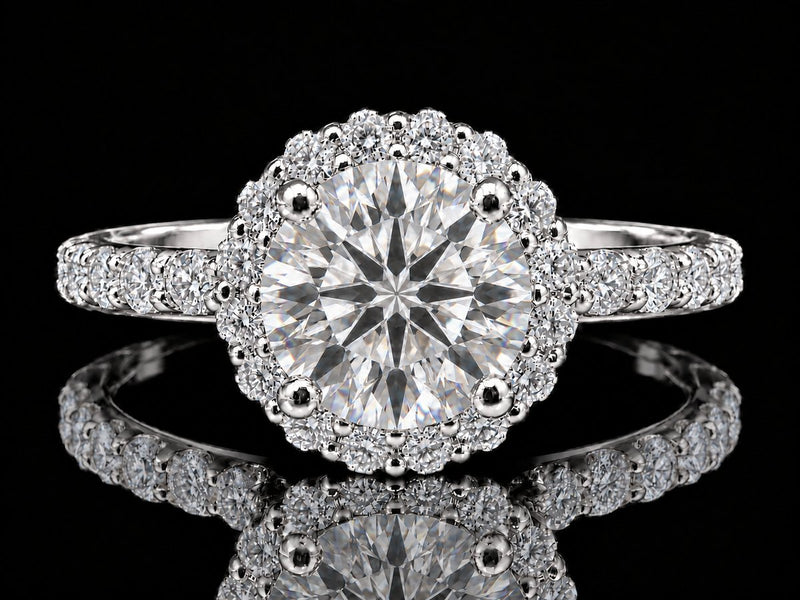
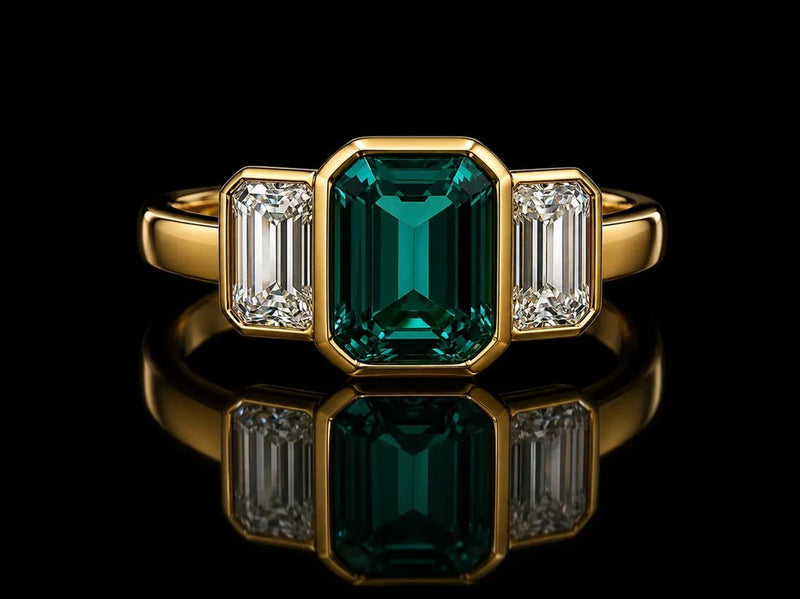
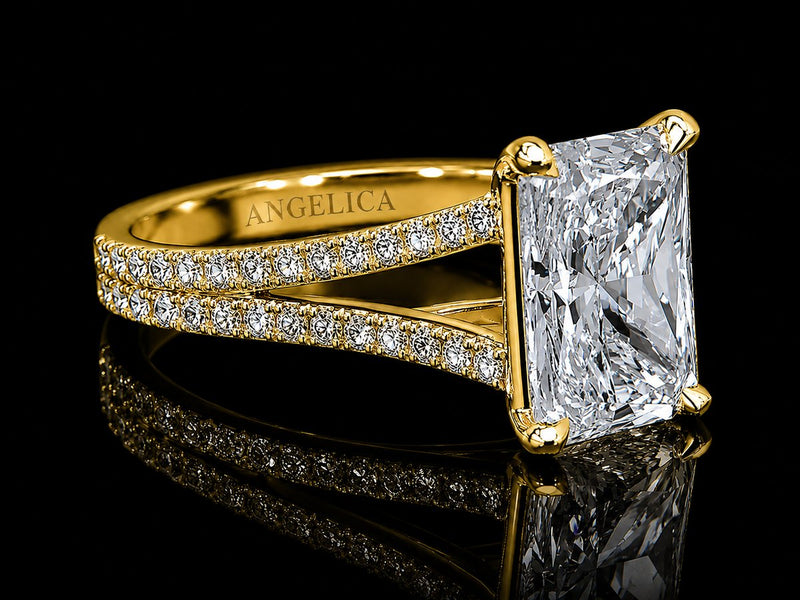
The setting does more than hold the stone in place; it shapes the ring’s personality. Solitaire settings feel clean and timeless, halos add extra sparkle, and three-stone designs create more width across the finger. A raised setting can make a stone stand out, but it may sit higher and catch more often. Lower-profile designs are easier for daily wear but sometimes show less drama. Prong, bezel, and pavé details can also change how secure, bright, or detailed the ring feels. The best setting should support the stone’s shape, protect vulnerable edges, and still suit the overall design direction.
Pick the Best Metal for Daily Wear
Metal choice affects colour, maintenance, and how the ring wears over time. Platinum is dense and durable, though usually more expensive. White gold offers a similar look at a lower cost but may need periodic refinishing. Yellow gold gives a warm, traditional feel, while rose gold adds a softer blush tone that works well with many skin tones. For daily wear, comfort and upkeep matter as much as appearance. The best option is the one that suits the stone, matches existing jewellery, and fits the wearer's routine. Many custom engagement rings are designed in 14k white gold, 18k white gold, or 10k rose gold, depending on the balance of look, durability, and budget.
Set a Realistic Custom Ring Budget
Budget should be decided before sketches get too far along. Stone choice usually drives the biggest price swings, followed by the setting style and metal. A larger diamond, a rare shape, or a highly detailed setting will push costs up quickly. That does not mean the design has to be simplified beyond recognition. It often works better to prioritise two or three must-have features and stay flexible on the rest. This approach keeps the ring meaningful without forcing awkward compromises, especially when you are comparing centre stone size, setting details, and metal options at the same time.
How the Custom Design Process Works
The process usually starts with inspiration images and a conversation about style, budget, and timeline. From there, the jeweller may suggest stones, sketch design concepts, and refine details before production begins. Some projects move into CAD renderings or wax models so proportions can be reviewed before the final piece is made. Buyers should come prepared with ring size, preferred metal, examples of rings they like, and a clear sense of what matters most. The more specific the brief, the easier it is to avoid back-and-forth revisions and stay on schedule. If you already own jewellery you love, bringing those pieces or photos can help the jeweller understand your taste more quickly.
| Stage | What Happens | Buyer Input |
|---|---|---|
| Inspiration | Share style ideas and priorities | Photos, budget, preferences |
| Design | Sketches or CAD concepts are created | Feedback on proportions and details |
| Stone Selection | Choose diamond or gemstone | Quality, shape, size preference |
| Production | Ring is crafted and finished | Final approval before making |
How Long Custom Engagement Rings Take
Most custom rings take several weeks from first consultation to completion, with simpler designs moving faster than detailed ones. Sourcing a specific diamond, adjusting CAD files, or requesting multiple revisions can stretch the timeline. Intricate settings and special gemstones may also require more lead time. That is why early planning matters, especially if the proposal date is fixed. Leaving a buffer reduces stress and gives room for thoughtful decisions instead of rushed approvals.
Get the Ring Size Right Before Production
Accurate sizing is especially important for custom rings because small changes can affect the fit and the finished design. A well-fitted ring feels better and reduces the chance of later resizing. If the proposal needs to stay a surprise, borrowing an existing ring or asking a close friend for help can work. Some styles, such as full-eternity bands or detailed pavé settings, are harder to resize cleanly, so getting close the first time matters. In Canada, it is especially helpful to confirm sizing carefully before production, since a custom piece should fit comfortably in everyday conditions and still allow for minor seasonal changes in finger size.
Common Mistakes to Avoid When Designing a Ring
One of the biggest mistakes is choosing a style before clarifying budget and lifestyle. A dramatic setting may look stunning but prove impractical for someone who works with their hands. Skipping research on metal, setting, or stone quality can also lead to regret once the ring is worn every day. Rushing the process is another common issue. It often leads to unnecessary compromises that could have been avoided with a clearer brief and a little more patience. Another common oversight is not thinking about how the ring will pair with a wedding band later, especially if you want the two pieces to sit flush together.
Final Tips for a Ring That Feels Personal
The best custom engagement rings usually include a few meaningful details, not every idea at once. A hidden engraving, a birthstone accent, or a subtle shape reference can make the piece feel unique without overwhelming the design. Small choices often age better than overly elaborate features. Thoughtful planning, clear priorities, and honest trade-offs lead to a ring that feels considered from every angle and still looks right years later. The goal is not only to design something beautiful, but to create a ring that feels true to the person wearing it.


